Posted July 24, 2026

By Matt Insley
Dead End Ahead
On Wednesday, we discussed Chevron’s interest in Iraqi oilfields and a possible pipeline route through Syria to the Mediterranean.
The premise is simple: If the Strait of Hormuz is too dangerous, bypass it.
Hours later, the Middle East delivered an ugly reminder. In this war, every detour eventually becomes a target.
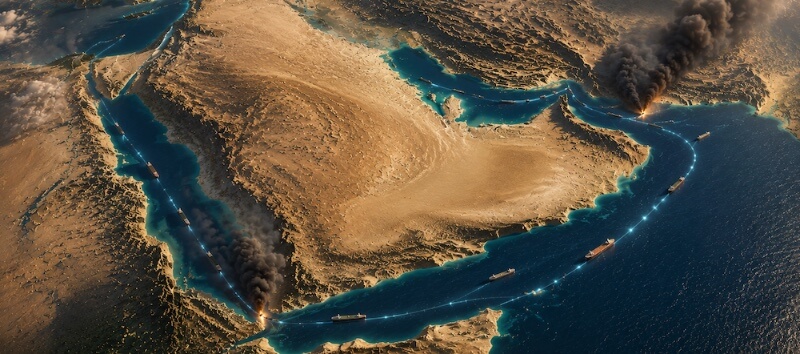
Specifically, a tanker sailing through the Red Sea off southern Saudi Arabia was struck by an unknown projectile, igniting a fire.
Yemen’s Houthi rebels later claimed they had attacked two Saudi oil tankers using ballistic missiles, cruise missiles and drones.
Both vessels had loaded refined petroleum products at Yanbu — the Red Sea port Saudi Arabia has increasingly relied on to bypass Hormuz.
They were heading south toward Bab al-Mandeb, the narrow waterway between Yemen and Djibouti.
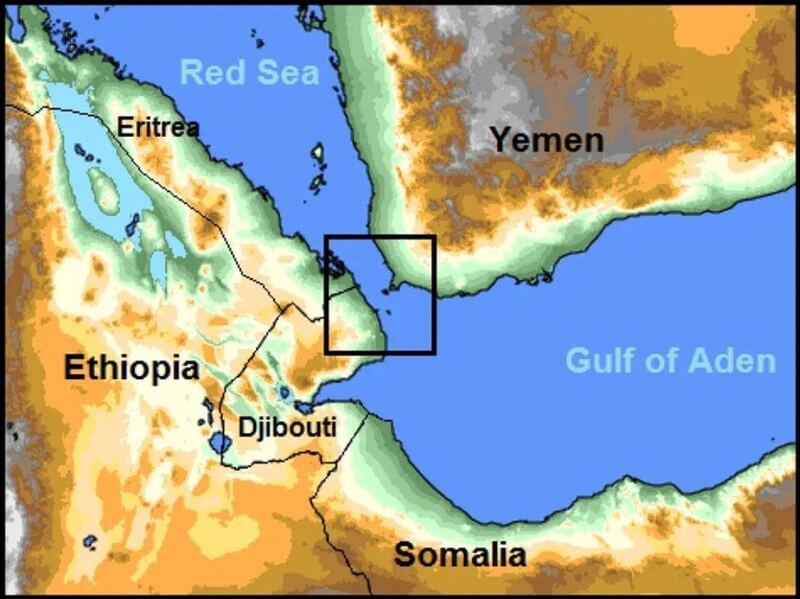
Source: El Observador
In other words, these ships were already taking the detour.
Here’s how that’s been working: Saudi Arabia’s East-West pipeline carries oil to Yanbu, allowing cargoes to avoid Hormuz entirely. Tankers leaving Yanbu pass through Bab al-Mandeb before reaching the Indian Ocean.
But now the Houthis are threatening that corridor.
All to say, vulnerabilities abound.
The human cost is becoming impossible to ignore, too. Thousands of sailors remain trapped around the Gulf, while insurers grow increasingly reluctant to cover voyages through the war zone.
So shipping companies are now offering crews enormous bonuses to sail through Hormuz.
It’s one thing when oil traders get nervous. It’s another when sailors start demanding combat pay.
Your Rundown for Friday, July 24, 2026...
Trump Runs Out of Off-Ramps
The White House is reaching the same conclusion as the oil industry: There may be no clean way around this war.
The U.S. is moving special-operations forces, aerial tankers, fighter jets, medics and long-range bombers toward the Middle East. The buildup gives President Trump more options to expand attacks on Iran and potentially strike Houthi forces in Yemen.
Trump would clearly prefer a decisive ending. But Iran and its allies keep widening the battlefield, attacking American troops, energy infrastructure and shipping routes.
That leaves Trump with fewer options, not more.
Jim Rickards saw this coming months ago.
Back in April, while many analysts were still talking about diplomacy, Jim laid out three possible outcomes. Then he dismissed the first two.
“It’s not peace. It’s not negotiation,” he said. “It’s escalation.”
He reasoned every attack on shipping, every strike on energy infrastructure and every Iranian refusal to back down narrowed President Trump’s options. Eventually, the White House would face a choice between accepting a permanent threat to global commerce or expanding the war.
That forecast is proving uncomfortably accurate.
Trump can pull back and risk rewarding Iran’s pressure campaign. He can continue bombing and hope Tehran eventually folds. Or he can escalate in an attempt to restore freedom of navigation and break Iran’s ability to threaten the region.
Escalation may be the only option that produces a result.
Dan Amoss, Jim’s chief analyst, believes the consequences will reach far beyond the battlefield.
“The macro implications of this scenario are: inflation break-evens and swaps through mid-2027 rise... then the U.S. dollar rises with Treasury yields... credit tightens and stocks fall.”
He adds that Fed Chair Kevin Warsh could conclude “crude and diesel are doing the tightening for us at the Fed.”
And if financial conditions deteriorate further?
Dan believes Warsh could pivot toward quantitative easing and even begin hinting that “gold is the new, optimal reserve currency” as the world reassesses the costs of dollar dominance.
That is the chain reaction investors need to watch.
Wednesday’s tanker strike was not simply another attack. It was an attack on one of the oil market’s most important escape routes.
Hormuz is dangerous. Bab al-Mandeb is under threat. And the detours are disappearing.
Market Rundown for Friday, July 24, 2026
S&P 500 futures are up 0.25% to 7,465.
Oil is down 2.80% to $89.60 for a barrel of WTI.
Gold’s up 0.25% to $4,060.40 per ounce.
And Bitcoin’s up 0.30% to $64,950.

Iraq Is Back
Posted July 22, 2026
By Matt Insley

Newsom's Plan B for Billionaires
Posted July 20, 2026
By Matt Insley

Jim Rickards: Slower Inflation Isn’t Lower Inflation
Posted July 17, 2026
By Matt Insley

Corning’s Second Act
Posted July 14, 2026
By Matt Insley
Lindsey Graham’s Unusual Portfolio
Posted July 13, 2026
By Matt Insley